
If you’ve had bariatric surgery, you already know that your relationship with food and nutrition has changed forever. What you may not fully realize is just how much your body’s ability to absorb vitamins and minerals has shifted, too. Whether you had a gastric sleeve, gastric bypass, duodenal switch, or another procedure, your digestive system now works differently than it did before. And that means the way you take your vitamins matters more than ever.
For many women after bariatric surgery, swallowing a handful of large pills each day feels overwhelming, uncomfortable, or even impossible. Add in the worry of whether those pills are actually being absorbed, and it’s easy to feel discouraged. The good news? Liquid vitamins offer a gentler, often more effective way to give your body the nutrients it desperately needs during this new chapter of life.
In this article, we’ll walk through exactly why absorption changes after bariatric surgery, how liquid vitamins can help, and what to look for when choosing the right ones. My hope is that by the end, you’ll feel more confident about supporting your body for the long haul.
Why Vitamin Absorption Changes After Bariatric Surgery
Before we talk about liquid vitamins, let’s take a step back and understand what’s happening inside your body after weight loss surgery. This knowledge will help you see why supplementation isn’t just a “nice to have”—it’s truly essential.
Bariatric surgery works by making your stomach smaller, rerouting part of your digestive tract, or both. While this helps you lose weight by reducing how much food you can eat and how many calories you absorb, it also reduces how many nutrients you take in. Your stomach plays a much bigger role in digestion than most people realize. It produces stomach acid that helps break down food and unlock the vitamins and minerals inside. It also produces something called intrinsic factor, which is needed to absorb vitamin B12.
When your stomach is made smaller, you produce less stomach acid and less intrinsic factor. This means even if you’re eating nutrient-rich foods, your body simply can’t pull as much out of them as it used to. For procedures like gastric bypass and duodenal switch, food also skips parts of the small intestine where many vitamins and minerals are normally absorbed. The result is that nearly every bariatric patient ends up needing lifelong supplementation to avoid serious deficiencies.
According to the American Society for Metabolic and Bariatric Surgery, nutrient deficiencies after bariatric surgery are extremely common, and following proper supplementation guidelines is critical for long-term health. You can learn more about their official recommendations at https://asmbs.org.
The Most Common Nutrient Deficiencies After Bariatric Surgery
Knowing which deficiencies are most common can help you understand why bariatric-specific vitamins are formulated the way they are. The most frequent deficiencies seen in women after surgery include iron, vitamin B12, vitamin D, calcium, folate, thiamine (B1), vitamin A, and zinc.
Iron deficiency is especially common in women who still have menstrual cycles, because monthly blood loss combined with reduced absorption can quickly lead to anemia. Vitamin B12 deficiency can sneak up on you, sometimes taking years to show symptoms, but when it hits, it can cause fatigue, nerve problems, and memory issues. Vitamin D and calcium deficiencies can weaken your bones over time, increasing your risk of osteoporosis. Thiamine deficiency, while less common, can develop quickly and cause serious neurological problems if not caught early.
These aren’t just numbers on a lab report. These deficiencies can cause real symptoms—exhaustion that doesn’t go away, hair loss, brittle nails, brain fog, tingling in your hands and feet, mood changes, and weakened immunity. Many women blame these symptoms on stress, age, or hormones, when in reality, their bodies are simply running low on essential nutrients.
How Liquid Vitamins Work Differently in Your Body
Now let’s get to the heart of why liquid vitamins can be such a game-changer after bariatric surgery. The difference comes down to two main things: how quickly they dissolve and how easily your body can absorb them.
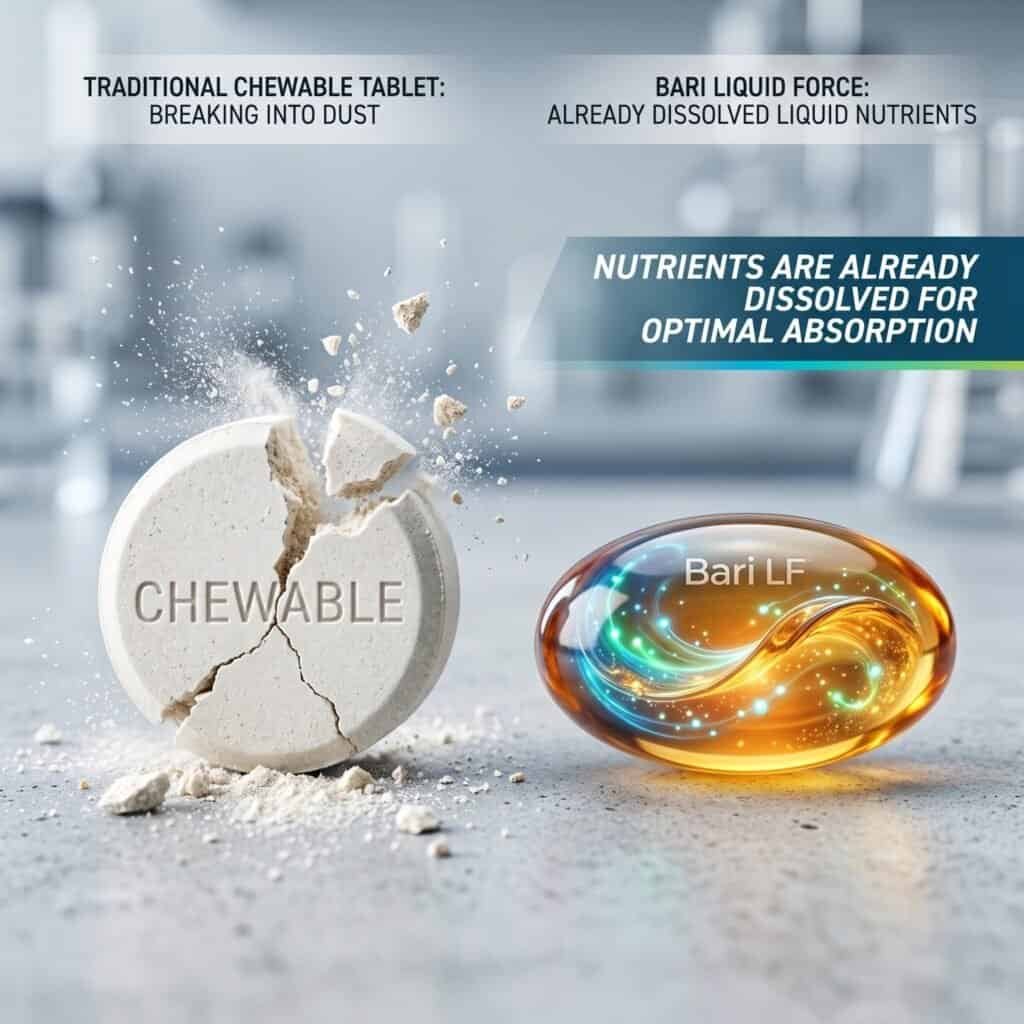
When you swallow a traditional pill or tablet, your body first has to break it down. This requires stomach acid, time, and a properly functioning digestive tract. After bariatric surgery, you have less stomach acid and food moves through your system differently. This means pills may not fully dissolve, or they may pass through your shortened digestive tract before your body has a chance to extract the nutrients.
Liquid vitamins, on the other hand, are already in a form your body can use. There’s no breaking down required. The nutrients are dissolved in liquid, ready to be absorbed almost immediately when they reach the parts of your digestive system that can still do their job. For women who have had procedures that bypass parts of the small intestine, this faster absorption can make a meaningful difference.
Research suggests that liquid supplements may be absorbed at higher rates than pills or tablets, especially in people with compromised digestion. While the exact absorption rates vary depending on the specific nutrient and the individual, the general principle holds true: the easier a vitamin is to break down, the more of it your body is likely to absorb.
The Top Benefits of Choosing Liquid Vitamins After Bariatric Surgery
Let’s go deeper into the specific benefits that make liquid vitamins so well-suited for life after weight loss surgery.
Faster and more complete absorption is the biggest benefit. Because liquids don’t need to be broken down, they can begin absorbing within minutes. This is especially helpful for nutrients like B12, which require special handling in the stomach. Some liquid B12 formulas are designed to be absorbed under the tongue, bypassing the digestive system altogether and going straight into the bloodstream.
Gentler on a sensitive stomach is another huge advantage. Many bariatric patients experience nausea, especially in the first year after surgery. Swallowing large pills can trigger nausea, vomiting, or discomfort. Liquids are much easier to tolerate, and they don’t sit heavy in your small stomach pouch the way pills sometimes do.
Easier to swallow may sound obvious, but it’s a real quality-of-life issue. After surgery, many women find that large pills get stuck or feel uncomfortable going down. Some patients develop a real fear of swallowing pills after a few bad experiences. Liquid vitamins eliminate that worry entirely.
Flexible dosing is something pills simply can’t offer. With a liquid, you can measure out exactly the dose you need. If your doctor adjusts your dosage based on lab work, you don’t need to buy a whole new bottle of pills—you just measure differently. This is especially helpful during the first year after surgery when your needs may change frequently.
Better compliance is perhaps the most underrated benefit. The truth is, the best vitamin is the one you’ll actually take every day. If pills make you gag, taste terrible, or upset your stomach, you’re far less likely to stick with them. Many women find that liquids fit more easily into their daily routine, leading to more consistent supplementation and better long-term results.
Reduced pill burden matters when you’re already taking multiple medications and supplements. Many bariatric patients are advised to take a multivitamin, calcium, vitamin D, B12, iron, and sometimes additional supplements like biotin or omega-3s. That can easily add up to 8 to 15 pills a day. Combining some of these into liquid form can dramatically reduce the number of pills you need to swallow.
Understanding Sublingual and Liquid Drops
Within the world of liquid vitamins, there are a few different types worth knowing about. Traditional liquid vitamins come in larger bottles and are measured out with a small cup or dropper. These are taken by mouth and swallowed like any other liquid.
Sublingual vitamins are placed under the tongue, where they dissolve and are absorbed directly through the tissues in your mouth into your bloodstream. This is a particularly clever delivery method for vitamins like B12, which can be tricky to absorb after gastric bypass or sleeve surgery. By going under the tongue, the B12 skips the digestive system entirely, removing the need for stomach acid and intrinsic factor.
Liquid drops are similar but are often more concentrated. A few drops under the tongue or in a small amount of water can deliver a full dose. These are especially popular for vitamin D, which is fat-soluble and works well in oil-based drop form.
Each of these methods has its place, and many bariatric patients use a combination depending on which nutrients they’re supplementing.
What to Look for in a Quality Bariatric Liquid Vitamin
Not all liquid vitamins are created equal. When you’re shopping for supplements after bariatric surgery, here are some things to keep in mind.
First, look for products specifically labeled as “bariatric” formulas. These are designed with your unique needs in mind, including higher levels of the nutrients you’re most likely to be deficient in. A regular multivitamin from the drugstore is usually not enough to meet bariatric needs, especially if you are looking for bariatric vitamins for hair loss.
Pay attention to the form of each nutrient. For example, iron should be in a form that’s gentle on the stomach and well-absorbed, such as ferrous bisglycinate. B12 should be in the methylcobalamin form, which is more readily used by your body than cyanocobalamin. Calcium should be calcium citrate rather than calcium carbonate, because citrate doesn’t require as much stomach acid to absorb.
Check for added sugars and artificial ingredients. Some liquid vitamins use a lot of sugar to mask the taste of minerals, which isn’t ideal for someone trying to maintain weight loss. Look for products sweetened with stevia, monk fruit, or other low-calorie alternatives.
Consider the dosage and serving size. Some liquid vitamins require multiple servings throughout the day, which can be inconvenient. Others provide a complete daily dose in one or two servings. Choose what fits your lifestyle.
Third-party testing is another important factor. Supplements aren’t regulated as strictly as medications, so independent testing helps verify that what’s on the label is actually in the bottle. Look for seals from organizations like USP, NSF, or ConsumerLab.
The National Institutes of Health Office of Dietary Supplements offers excellent, evidence-based information on individual vitamins and minerals, including recommended intakes and signs of deficiency. You can explore their resources at https://ods.od.nih.gov.
Timing and How to Take Your Liquid Vitamins
Even the best supplement won’t help if you’re not taking it correctly. Timing matters, especially when it comes to certain nutrients that compete with each other for absorption.
Iron and calcium should never be taken at the same time. Calcium blocks iron absorption, so you’ll need to space them out by at least two hours. Many women take their multivitamin with iron in the morning and their calcium later in the day, splitting calcium doses since your body can only absorb about 500 to 600 mg at a time.
Vitamin D is fat-soluble, meaning it absorbs best when taken with a meal that contains some fat. A small amount of avocado, nut butter, or olive oil with your dose can boost absorption significantly.
B12 can generally be taken at any time of day, but many women find it gives them an energy boost, so morning is often best to avoid sleep disruption.
If you’re taking liquid vitamins, give yourself a few minutes before drinking anything else, especially coffee or tea, which can interfere with absorption of certain minerals.
Set a routine that works for you. Many women keep their morning vitamins by their toothbrush or coffee maker, and their evening doses by their bed. Whatever helps you remember consistently is the right approach.
Common Concerns and Misconceptions
There are a few common worries that come up when women consider switching to liquid vitamins. Let’s address them honestly.
Some women worry that liquid vitamins are less potent than pills. This is generally not true. Bariatric-specific liquid formulas are designed to deliver the same doses as their pill counterparts, sometimes higher. The form is different, but the nutrients are the same.
Others worry about the taste. It’s true that some liquid vitamins don’t taste great—especially those containing iron, which has a naturally metallic flavor. However, manufacturers have come a long way in flavoring their products, and many bariatric liquid vitamins now come in pleasant flavors like berry, citrus, or vanilla. If you find one that’s hard to tolerate, try mixing it into a small amount of sugar-free juice or a protein shake.
Cost is another concern. Liquid vitamins can sometimes be more expensive than basic pills, but when you consider the improved absorption and the fact that you’ll actually take them consistently, the value often makes sense. Think of it as an investment in your long-term health.
Some women also worry about shelf life. Liquid vitamins generally have a shorter shelf life than pills, and many need to be refrigerated after opening. Check the label for storage instructions and pay attention to expiration dates.
Signs Your Current Vitamin Routine Isn’t Working
How do you know if your current vitamin routine is actually doing its job? The most reliable answer comes from regular blood work. Your bariatric team should be checking your nutrient levels at regular intervals—typically at three months, six months, one year, and then annually after surgery.
In between lab tests, your body will often give you clues. Persistent fatigue that doesn’t improve with rest can signal iron, B12, or vitamin D deficiency. Hair loss beyond the normal post-surgery shedding can indicate low protein, biotin, zinc, or iron. Brittle nails, dry skin, and easy bruising can all point to nutrient gaps. Tingling or numbness in your hands and feet may signal B12 deficiency. Frequent illness or slow healing can indicate low vitamin C, zinc, or vitamin A. Mood changes, including increased anxiety or depression, can sometimes be linked to deficiencies in B vitamins, vitamin D, or omega-3 fatty acids.
If you’re experiencing any of these symptoms, talk to your bariatric team. Don’t just add random supplements on your own—too much of certain vitamins, especially fat-soluble ones like A, D, E, and K, can actually be harmful.
Combining Liquid Vitamins with Other Bariatric Supplements
Liquid vitamins don’t have to be your only form of supplementation. Many women use a combination of liquids, chewables, and capsules depending on what works best for each nutrient.
For example, you might use a liquid multivitamin and B12, but a chewable calcium citrate and a soft gel for vitamin D. Or you might use a liquid iron supplement (which tends to be gentler on the stomach) along with a powdered protein supplement and capsule-form probiotics. There’s no one-size-fits-all approach, and your routine may shift over time as your needs change.
The key is working with your bariatric team to build a routine that meets your specific needs based on your surgery type, lab results, and lifestyle.
Lifestyle Factors That Affect Absorption
Even the best vitamin routine can be undermined by other lifestyle factors. Here are a few things to be aware of.
Caffeine can interfere with iron and calcium absorption, so try to avoid coffee or tea within an hour of taking these supplements. Alcohol can deplete several vitamins, especially B vitamins, and can also damage the lining of your digestive tract. After bariatric surgery, alcohol affects you more strongly and is best limited.
Certain medications can also interfere with absorption. Proton pump inhibitors, often prescribed after bariatric surgery for acid reflux, can reduce B12 and magnesium absorption over time. Some blood pressure medications and antibiotics also interact with vitamins. Always tell your doctor about all the supplements you’re taking, and ask whether any of your medications affect nutrient absorption.
Stress and lack of sleep also affect how your body uses nutrients. Chronic stress depletes B vitamins and magnesium, while poor sleep affects everything from immune function to hormone regulation. Taking care of your whole self—not just your supplements—is part of long-term bariatric success.
Building a Sustainable Routine
The most important thing about bariatric supplementation is consistency. Missing doses here and there might not seem like a big deal, but over months and years, those gaps add up.
Start by making your vitamins visible. Keep them somewhere you’ll see them every day—on the kitchen counter, by your toothbrush, or next to your coffee maker. Out of sight really does mean out of mind.
Use reminders if you need them. Phone alarms, pill organizers (which can also hold small liquid vial doses), or habit-tracking apps can all help you stay on track. Some women find that pairing their vitamins with an existing habit—like brushing their teeth or drinking morning water—makes them stick.
Plan ahead for travel. Running out of vitamins while away from home can disrupt your routine for days. Keep a small travel kit ready, and consider ordering refills before you run low.
Be patient with yourself. Building a lifelong routine takes time, and there will be days when you forget or feel frustrated. The goal isn’t perfection—it’s consistency over time.
When to Reach Out for Help
If you’re struggling with your vitamin routine, please don’t suffer in silence. Your bariatric team is there to help, and these are common challenges that they’ve helped many other women work through.
Reach out if you’re consistently unable to tolerate your current supplements, if your lab work is showing deficiencies despite taking your vitamins, if you’re experiencing symptoms that might be related to deficiency, or if you simply feel overwhelmed by the number of supplements you’re supposed to take. There may be options you haven’t considered, including liquid alternatives, different forms of nutrients, or adjusted dosing schedules.
Some women also benefit from working with a registered dietitian who specializes in bariatric nutrition. These professionals can take a deep dive into your specific situation and help you build a routine that’s truly tailored to you.
Bariatric surgery is a powerful tool for improving your health, but it requires lifelong attention to nutrition. Liquid vitamins can be one of the most helpful tools in your toolkit, offering faster absorption, easier swallowing, gentler digestion, and better consistency than traditional pills.
The journey after weight loss surgery isn’t always easy. There are good days and hard days, lab results that look great and ones that need attention, routines that work and ones that need adjusting. Through all of it, please remember that taking care of your nutrition is one of the kindest things you can do for yourself. You’ve already taken a brave step by choosing surgery and committing to a healthier life. Supporting your body with the right vitamins, in the right forms, is the next step in honoring that decision.
You deserve to feel good. You deserve to have energy, strong bones, clear thinking, and healthy hair and skin. You deserve a supplement routine that actually works with your body instead of against it. If liquid vitamins help you get there, they’re worth exploring.
Talk with your bariatric team about whether liquid vitamins might be a good fit for you. Bring your questions, your concerns, and your goals to the conversation. Together, you can build a plan that supports not just your weight loss, but your whole, beautiful life ahead.